September 30, 2026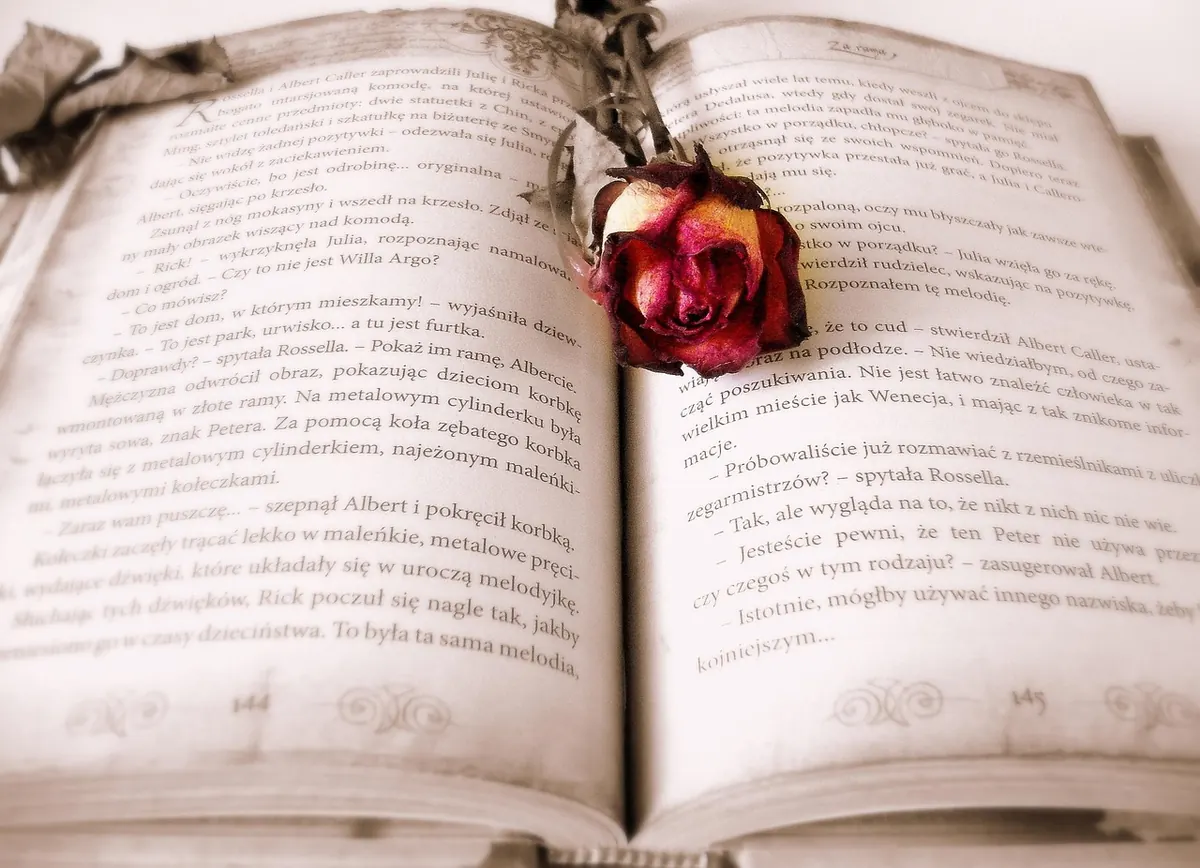
There is a particular pleasure in leaving a charity shop with a bag of other people's cast-offs, knowing most of it is destined for your diary. A 50p road atlas becomes a set of map tabs. A faded silk scarf becomes a bookmark and a length of ribbon. A hardback with a broken spine becomes a dozen pieces of greyboard for covers.
Diary crafting is cheap by nature — glue, thread, a scalpel, a decent pen — but the raw material adds up if you buy it new. Second-hand shops solve that. You just need to know what to look for, and what to put back.
Why charity shops beat craft aisles on price
Craft shops sell paper in standard sizes, priced as a crafting commodity. Charity shops sell whatever came through the door that week, priced as what it used to be. A bundle of old sheet music is priced as sheet music; a damaged atlas is priced as a damaged atlas. Neither is priced as "vintage collage paper", which is exactly why both are worth having.
Stock turns over constantly. The shop that had nothing but paperback thrillers last Tuesday may have a box of 1970s maps this Tuesday. Regular, unhurried visits beat one big raid — and the money supports the charity rather than a supplier.
There is also a useful psychological difference. In a craft shop, every sheet feels precious because you paid for it by the piece. In a charity shop, a whole atlas costs less than a single sheet of patterned card, so you are far more willing to cut into it, experiment, and make mistakes. That freedom is worth more than the saving itself.
Paper and card: what's worth carrying home
Paper is the backbone of most diary projects, and charity shops are unusually good at supplying the interesting end of it.
- Old atlases and road maps. Thin, strong, and printed in colours modern paper cannot match. Ideal for pockets and tabs.
- Sheet music. Lightweight, ages to a warm cream, and covered in engraved headings.
- Ledgers and account books. Ruled and columned pages suit habit trackers and monthly spreads. Untouched ones are the best find of all.
- Hardbacks with clean endpapers. Marbled or patterned boards can be sliced free and used as they are.
- Greetings cards, invitations, old calendars and envelopes. Small, pretty, and almost always sold in bundles.
- Wallpaper sample books. Heavy patterned card, sometimes fabric-backed. Rare, but worth asking for.
- Children's picture books with damaged pages. Bright illustrations, thick paper, and often sold for pennies. Cut around the pictures for collage or tip-ins.
What to leave on the shelf
Mould, damp and mildew are the enemies. A book that smells like a cellar will keep smelling. Brown speckling across the page edges, known as foxing, means the paper has been damp at some point; it is often usable, but it will never look clean, and water-stained paper keeps its tide line.
Test before you commit. Fold a corner of a page gently between finger and thumb. If it cracks instead of bending, the paper has gone brittle and will crack in your diary too.
Also be honest about quantity. A single beautiful atlas is a resource; six identical atlases are a storage problem. Buy the one with the best colours, the clearest typography, or the most useful scale — then leave the rest for someone else.
Fabric, leather and trims
Textiles are where charity shops quietly excel. Fine silk and cotton scarves make excellent ribbons, wraps and journal closures. Look for long scarves with a small, neat pattern or a plain colour, and check the hem: a hand-rolled edge can be unpicked or left as a decorative finish. Even a scarf with a small stain can be cut around, giving you metres of binding for the price of a cup of tea.
- Silk ties. Bias-cut into strips, they make soft bookmarks and wrap ties. Avoid anything with heavy interfacing or a stubborn crease.
- Leather belts and handbags. Worn belts can be cut into straps and closures; thin glove leather from a damaged bag can become a cover wrap or a pen loop.
- Woollen blankets and tartan scarves. Felt them in a hot wash, then cut for pocket pages, needle books or soft covers.
- Lace, doilies and embroidered linens. Stained or holed pieces are perfect for layering, stitching and covering small flaws in a page.
- Buttons, buckles and beads. Often sold in jars or bags. One good horn button can finish a closure beautifully.
Wash everything before it enters your stash. A 30-minute cool soak with a little mild detergent removes dust, perfume and the faint smell of someone else's wardrobe.
The bric-a-brac shelf: tools and hardware
Do not walk past the kitchenware, stationery and miscellaneous shelves. Diary crafting needs small, precise tools, and charity shops are full of them at giveaway prices.
- Metal rulers. Heavier and steadier than plastic, with a straight edge that stays straight.
- Bone folders and old wooden paper knives. Ideal for scoring and creasing, though a smooth teaspoon works in a pinch.
- Hole punches, eyelet setters and sewing kits. Check that punches still spring back and that the cutting tube is not blocked.
- Tin boxes and wooden trays. Storage for tabs, threads and offcuts, and they look good on a desk.
- Small screwdrivers and craft knives. Be cautious with blades; only buy if the handle is sound and the blade can be replaced.
- Fabric remnants and sewing thread. Old thread can be weak, so snap a length before you trust it on a binding.
A good rule: if it is sturdy, simple and has no missing parts, it is worth more to you than to the shop. If it is flimsy, rusted or incomplete, leave it.
A quick checklist before you pay
- Smell it. Musty, smoky or chemical odours rarely leave.
- Flex it. Paper should bend, not crack. Fabric should not be dry or powdery.
- Check the edges. Foxing, tide marks and insect damage are usually permanent.
- Look for completeness. Missing pages, broken spines and incomplete sets still have value if the paper or board is good.
- Imagine the cut. If you cannot see at least two uses for it, put it back.
Charity shop crafting is not about buying less. It is about seeing more in what already exists.
Go often, go slowly, and carry a small list of what you actually need. The best finds are rarely the obvious ones — they are the damaged atlas, the stained scarf, the tin of buttons that nobody else wanted. Your diary will be the richer for them.
Photo: DGlodowska / Pixabay