September 18, 2026
A diary habit rarely falls apart in one dramatic moment. It frays around the edges: a pen runs dry halfway through an entry, the washi tape has vanished into a drawer, the prompts you saved in January feel stale by March. None of these problems is serious on its own. Together they add up to a fortnight of blank pages. The fix is a short monthly routine — half an hour, once a month — that clears the obstacles before they get a chance to slow you down.
Why a Monthly Rhythm Beats a Daily One
Daily upkeep sounds admirable but rarely survives a busy Tuesday. Restocking supplies, refreshing prompts and planning pages are not daily jobs; you would spend more time maintaining the diary than writing in it. Weekly is often too soon as well, because a single week rarely uses up a roll of tape or changes what you want to write about. A month is about the right interval. It matches how supplies run out, how calendars reset and how tastes shift.
Choose a fixed anchor and write it into the diary itself: the first Sunday of the month, the last Friday, payday, whatever fits. Then work through the checklist below in order. It takes twenty to thirty minutes and leaves you with a stocked drawer and a clear plan.
Review the Pages You Already Filled
Task 1: Read back three entries
Three is deliberate. Reading everything turns a review into an editing session, and editing kills a diary habit faster than any missed day. Pick three entries — at random, or the three you remember enjoying — and notice what they have in common. Were they long or short? Written in the morning? Accompanied by a ticket stub or a photograph? This tells you what your diary actually wants to be, which is usually more useful than what you think it should be.
Task 2: Note the gaps
Now flick through for empty dates. Don't scold yourself; just look for a pattern. If you consistently skip the last week of the month, a daily format may be fighting a busy period, and a weekly spread with room for notes would serve you better. If you skip weekends, work out why — not enough time, or nothing you want to record? Adjust the layout rather than the ambition.
Audit Your Supplies Before You Buy Anything
Most craft purchases happen at the wrong moment: you spot something lovely in a shop, buy it, and get home to find you already own two. A five-minute audit protects your budget and keeps the drawer honest.
Task 3: Empty the pen pot
Tip everything out and test each pen on a scrap of paper. Fineliners that have gone scratchy, gel pens that skip and fountain pens with dried nibs all get sorted: clean, refill or retire. Keep a couple of spares in your diary bag so a dead pen never ends an entry early.
Task 4: Count your consumables
Washi tape, stickers, glue tape runner, page tabs, photo paper, ink cartridges, refills. Note what is down to its last few uses and restock those, and only those. The aim is to avoid both the mid-month scramble and the drawer full of duplicates.
Task 5: Check adhesives and tapes
Glue sticks turn stringy, double-sided tape loses its grip and old stickers curl at the corners. Test a small piece of each on scrap paper before it goes anywhere near a finished page — a spread you spent an hour on is not the place to discover that your adhesive has given up. Each month, run a quick check on:
- glue sticks and tape runners
- double-sided tape and washi tape edges, which can lift in warm rooms
- stamp pads, which dry out faster than most people expect
- every pen, including the spares you have not touched since last month
- page tabs, sticky notes and correction tape
- blades or trimmer cartridges, if you cut your own page inserts
Reset Your Prompt Bank
Task 6: Retire the prompts that have gone stale
Prompts are tools, not obligations. If a question no longer interests you, it will sit at the top of your list quietly discouraging you from opening the diary at all. Move it out — into a separate file, onto a back page, or into the bin.
Task 7: Add five new ones
Five is enough to cover the next month without turning prompt-hunting into a hobby of its own. Build them from what is actually happening: a birthday, a change of season, a book you are halfway through, a decision you are chewing over, a street you keep walking down. Prompts drawn from your own month are far easier to answer than ones copied from a list.
Plan the Pages Ahead
Task 8: Sketch a rough calendar
Before you decorate anything, mark the month's fixed points: appointments, trips, deadlines, visitors, and days when you already know you will be too tired to write. Where a week looks crowded, plan a shorter format — a line a day, or a single weekly spread with three bullet points. Planning around busy weeks is the most effective way to keep a diary going.
Task 9: Choose a theme or palette
Not compulsory, but a loose theme — autumn colours, a stack of blue inks, a month of collage — makes pages feel related and takes small decisions out of the moment. Choose something you already own rather than shopping for it.
Task 10: Close the Loop
Finish by clearing the desk and dealing with the paper trail. Loose receipts, tickets, photographs and clippings either go into the diary, into a folder labelled with the month, or out. A drawer of unsorted ephemera becomes a job nobody wants, and the longer it sits, the less likely it is ever to be used.
If you keep a digital copy, this is the moment to scan or photograph finished pages and back them up, naming the files by month so you can find them again. Then wipe the desk, return the pens to the pot, and the next month starts clean.
Keep the Checklist Short Enough to Repeat
Here it is in one place, ready to copy into the front of your diary or onto a card:
- Read back three entries from last month.
- Note the dates you missed and what got in the way.
- Test every pen and refill; clean, replace or bin the failures.
- Count your consumables and restock what you actually used up.
- Check adhesives, tapes, stamp pads and blades.
- Retire two or three prompts that no longer interest you.
- Add five new prompts drawn from the month ahead.
- Sketch a rough calendar and flag the crowded weeks.
- Choose a theme, palette or format tweak.
- Tidy the desk, file your ephemera, back up finished pages.
If half an hour feels like a lot, do the three that matter most: test your pens, restock what you have genuinely used, and sketch the month's calendar. Those three cover the most common reasons a diary stalls — nothing to write with, nothing to stick things down with, and no idea what the month looks like.
Treat the rest as a starting point. If a task never proves useful, drop it and add one that does; if the audit takes you ten minutes, that is a sign it is working, not a sign you are doing it wrong. The routine should serve the diary, not the other way round.
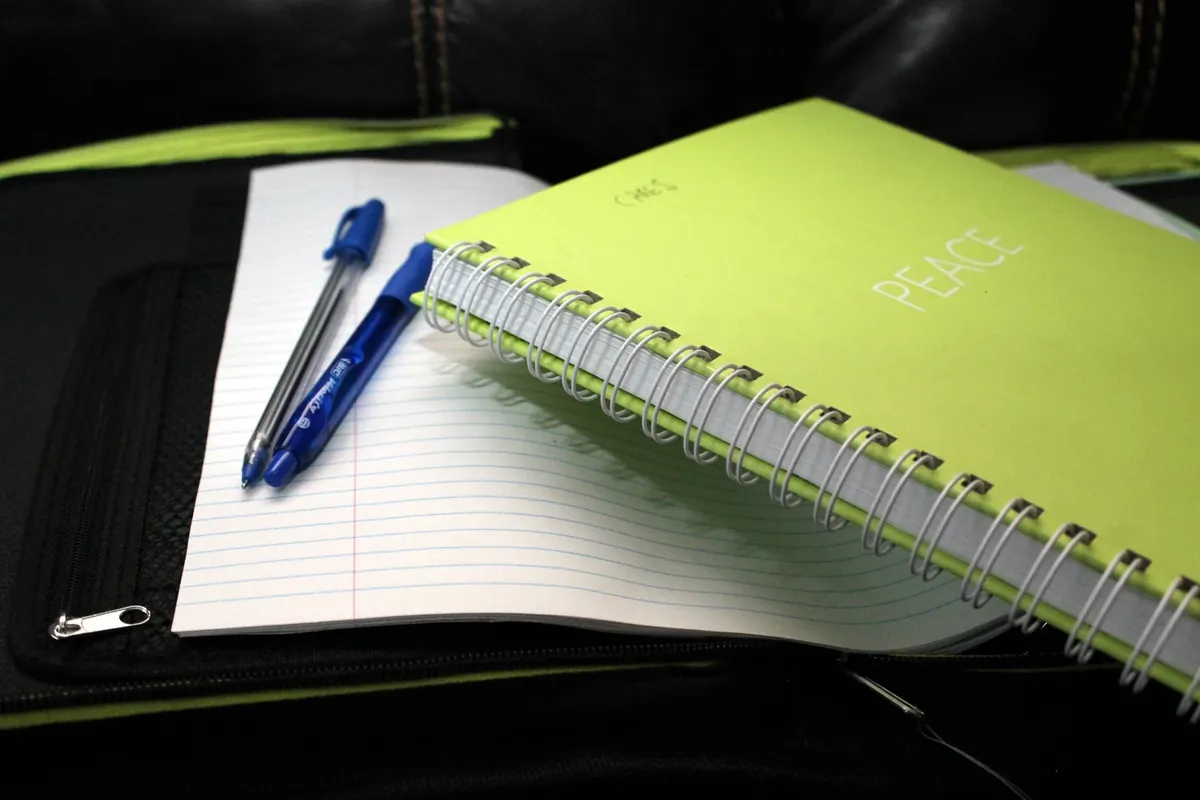
Photo: Sergey Torbik / Pexels